

Wall-Mounted vs Mobile Stand Interactive Whiteboards: Which Fits Your Space?
Sep 08, 2026
Leave a message
Introduction
Interactive whiteboards have become an important part of modern classrooms, supporting digital presentations, annotation, multimedia lessons, and interactive teaching. As these displays are introduced into different educational environments, the way they are installed also becomes an important consideration. Installation can affect how the available space is used, how the display fits into the classroom layout, and how easily the equipment can adapt to different teaching requirements. Understanding the installation options can therefore help buyers select a more suitable setup for their intended space and use.
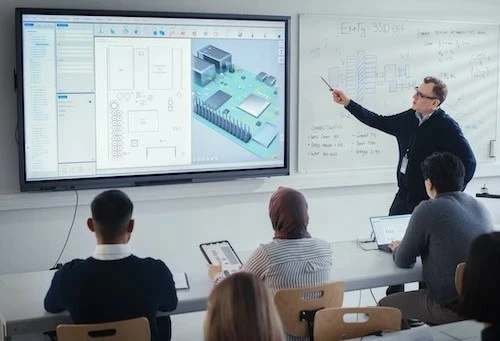
What Is an Interactive Whiteboard Installation System?
An interactive whiteboard installation system refers to the method used to position and support an interactive display within a classroom or learning environment. The installation method determines where the display is placed and whether its position remains fixed or can be changed when needed.
Two common approaches are wall-mounted installation and mobile stand installation. A wall-mounted setup secures the interactive whiteboard to a suitable wall, while a mobile stand supports the display on a movable floor structure. Both can be used for interactive teaching, but they provide different approaches to classroom space management and equipment deployment.
What Is the Difference Between Wall-Mounted and Mobile Stand Interactive Whiteboards?
The main difference between these two installation methods is how the interactive whiteboard is positioned and managed within the available space.
|
Comparison |
Wall-Mounted Interactive Whiteboard |
Mobile Stand Interactive Whiteboard |
|
Images |
Wall-Mounted Interactive Whiteboards |
Mobile Stand Interactive Whiteboards |
|
Installation |
Fixed to a suitable wall |
Installed on a movable floor stand |
|
Mobility |
Remains in a designated position |
Can be repositioned when required |
|
Space Use |
Fixed wall space + dedicated front area |
Floor space for base + clearance for movement |
|
Layout Flexibility |
Better suited to stable classroom layouts |
Better suited to changing layouts |
|
Deployment |
Suitable for dedicated spaces |
Suitable for shared or multi-purpose spaces |
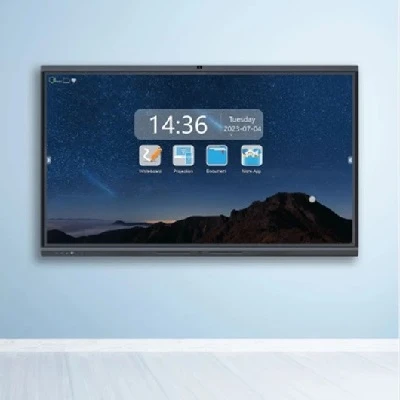
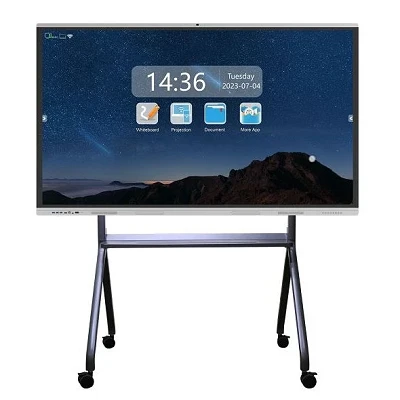
The choice is therefore less about which installation method is universally better and more about which approach fits the physical space and intended use of the interactive whiteboard.
What Should You Consider Before Choosing an Installation Method?
Before selecting an installation method, buyers should evaluate the classroom itself as well as how the interactive whiteboard will be used. Several practical factors can influence the suitability of each option.
Consider whether the classroom has a suitable wall for fixed installation and whether enough floor space is available for a mobile stand. The selected setup should fit within the existing space without interfering with student seating, teacher movement, access routes, or other classroom equipment.
The position of desks, chairs, teaching areas, doors, windows, and other equipment can affect where the interactive whiteboard can be placed. A stable classroom layout may provide more predictable installation conditions, while a space with frequently changing arrangements may require greater flexibility in how the display is positioned.
Consider how often the interactive whiteboard needs to be repositioned during daily use. If the display is expected to remain in one location, mobility may be less important. If it needs to move between teaching areas or different rooms, the installation method should accommodate these movement requirements without disrupting regular classroom activities.
The intended teaching activities should also be considered when selecting an installation approach. Regular classroom instruction, group activities, presentations, training sessions, and seminars may involve different requirements for display positioning and room arrangement, so the installation should support the way the space is actually used.
Consider how the interactive whiteboard will be used after installation and whether its role may change over time. Equipment intended for long-term use in one dedicated classroom may have different requirements from a display that needs to support several rooms, programs, or changing classroom configurations.
Where Are Wall-Mounted and Mobile Stand Interactive Whiteboards Commonly Used?
The suitable installation method often depends on the type of space and how the interactive whiteboard is expected to be used.
Choose a Wall-Mounted Interactive Whiteboard If
• Dedicated Classrooms - Wall-mounted installation is suitable for classrooms that are used for regular teaching and have a fixed area designated for the interactive display.
• Lecture Rooms - In lecture rooms where the display position needs to remain consistent for larger groups of students, a fixed installation can provide a stable teaching setup.
• Computer or Smart Classrooms - When the interactive whiteboard is part of a permanent classroom technology setup, wall mounting can integrate the display into the existing teaching environment.
• Long-Term Educational Facilities - Schools and other educational facilities with stable room layouts may benefit from a fixed installation when the display is intended to remain in the same location for extended use.
Choose a Mobile Stand Interactive Whiteboard If
• Shared Classrooms - A mobile stand is useful when one interactive whiteboard needs to be used by different classes or shared between multiple teaching spaces.
• Training Rooms - Training environments may involve different courses and room arrangements, making the ability to reposition the display useful for different sessions.
• Seminar and Meeting Spaces - Mobile installation can provide greater flexibility in spaces where the display position may need to change according to presentations, discussions, or group activities.
• Multi-Purpose Learning Spaces - When a room serves several functions and its layout changes regularly, a mobile stand allows the interactive whiteboard to be repositioned as needed.
Conclusion
Choosing the wrong installation can lead to wasted space, reduced teaching flexibility, or even safety issues such as tip-over risks with unstable stands. The choice between a wall-mounted and mobile stand interactive whiteboard should be based on the available space, classroom layout, frequency of movement, and intended use. A wall-mounted setup can suit fixed, dedicated classrooms, while a mobile stand can provide greater flexibility for shared and multi-purpose environments. HDFocus provides interactive classroom solutions with different display sizes and installation options, helping schools, education projects, and other users configure interactive whiteboards according to their space and teaching requirements. Contact us to discuss your classroom needs and find a suitable interactive whiteboard installation solution.