

What is the power supply mode of a wall - mounted outdoor kiosk?
Jul 02, 2025
Leave a message
Hey there! As a supplier of Wall-mounted Outdoor Kiosks, I often get asked about the power supply modes for these nifty devices. So, I thought I'd take the time to break it down for you all.
Mains Power Supply
The most common and reliable way to power a wall-mounted outdoor kiosk is through a mains power supply. Just like your home appliances, these kiosks can be directly plugged into an electrical outlet. This method provides a consistent and stable power source, ensuring that the kiosk runs smoothly without any interruptions.
One of the big advantages of using mains power is that you don't have to worry about running out of juice. As long as there's electricity in the grid, your kiosk will keep on ticking. It's also great for kiosks that need to run 24/7, like those used for public information or wayfinding in outdoor spaces.
However, there are a few downsides to consider. First of all, you need to have access to a power outlet nearby. This can be a challenge in some outdoor locations, especially if they're far from the main electrical infrastructure. You might also need to run cables, which can be a hassle and may require professional installation.
Solar Power Supply
Solar power is another popular option for wall-mounted outdoor kiosks. With solar panels, these kiosks can harness the energy from the sun and convert it into electricity. This is a clean and renewable energy source, which is great for the environment.
One of the biggest benefits of solar power is that it's independent of the grid. You can install your kiosk in remote locations without having to worry about finding a power outlet. Solar panels are also relatively easy to install and maintain, making them a cost-effective solution in the long run.
But solar power isn't without its limitations. The amount of energy you can generate depends on the amount of sunlight your kiosk receives. If you're in an area with a lot of cloud cover or shade, your solar panels may not produce enough power to keep the kiosk running. You may also need to install a battery to store the excess energy for use during the night or on cloudy days.
Battery Power Supply
Battery power is a convenient option for wall-mounted outdoor kiosks, especially if you need to move them around or if you don't have access to a power outlet. You can use rechargeable batteries to power the kiosk, and then recharge them when they run out of juice.
One of the advantages of battery power is that it's portable. You can easily move your kiosk to different locations without having to worry about finding a power source. It's also a good option for temporary installations, like events or pop-up shops.
However, battery life can be a major issue. Depending on the size and power consumption of your kiosk, you may need to recharge the batteries frequently. This can be a hassle, especially if you're using the kiosk in a remote location. You also need to make sure that you have a reliable way to recharge the batteries, which may require a power outlet or a solar charger.
Hybrid Power Supply
If you want the best of both worlds, you can consider using a hybrid power supply. This involves combining two or more power sources, such as mains power and solar power, to ensure that your kiosk always has enough energy to run.
A hybrid power supply can provide a more stable and reliable power source than using a single power source alone. For example, you can use solar power during the day to reduce your reliance on the grid, and then switch to mains power at night or on cloudy days. This can help you save money on your electricity bills and reduce your carbon footprint.
However, a hybrid power supply can be more complex and expensive to install than a single power source. You may need to invest in additional equipment, such as a charge controller or an inverter, to manage the power flow between the different sources.
Choosing the Right Power Supply Mode
So, which power supply mode is right for your wall-mounted outdoor kiosk? Well, it depends on a few factors, such as your location, your budget, and your specific needs.
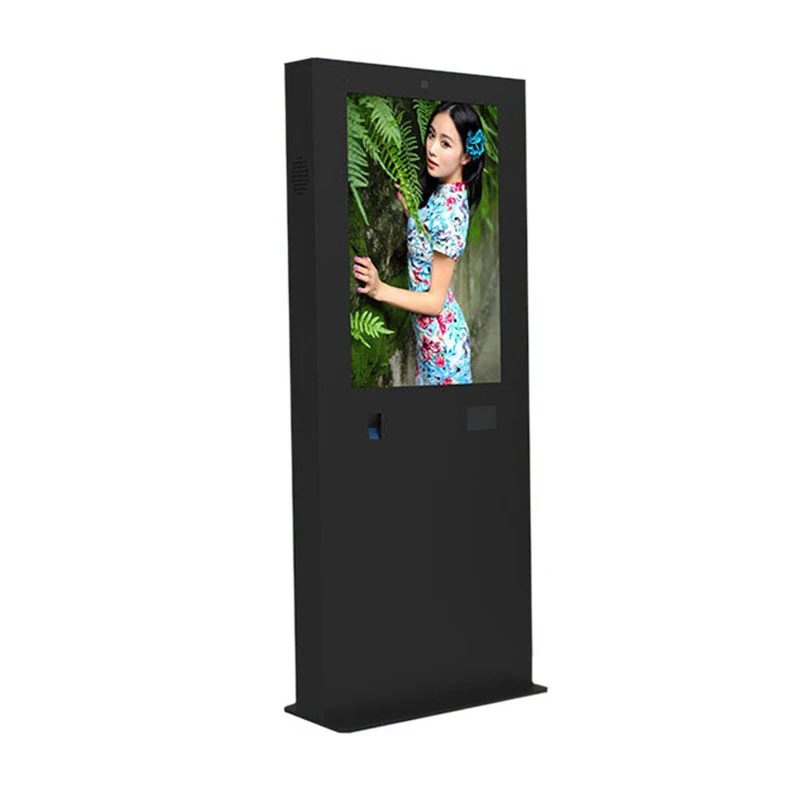

If you have access to a power outlet and you need a reliable and consistent power source, then mains power is probably the best option for you. If you're in a remote location or you want to reduce your carbon footprint, then solar power or a hybrid power supply may be a better choice. And if you need a portable power source or you're using the kiosk for temporary installations, then battery power may be the way to go.
At our company, we offer a range of wall-mounted outdoor kiosks with different power supply options. Whether you're looking for a kiosk that runs on mains power, solar power, battery power, or a combination of these, we can help you find the right solution for your needs.
If you're interested in learning more about our wall-mounted outdoor kiosks or if you have any questions about the power supply modes, please don't hesitate to contact us. We'd be happy to help you choose the right kiosk and power supply mode for your project.
Other Related Products
In addition to wall-mounted outdoor kiosks, we also offer a range of other outdoor digital signage products, such as Outdoor Portable LCD Digital Signage Poster with Battery and Outdoor Floor Stand Kiosk. These products are designed to meet the needs of different customers and applications, so be sure to check them out if you're interested in outdoor digital signage.
References
- "Solar Power Systems for Outdoor Digital Signage." Digital Signage Today.
- "Battery Power Options for Portable Kiosks." Kiosk Marketplace.
- "Mains Power Supply Considerations for Outdoor Kiosks." Outdoor Kiosk Magazine.