

Is wall mounted digital signage energy - efficient?
Jun 12, 2025
Leave a message
As a supplier of wall mounted digital signage, I often encounter questions from customers about the energy efficiency of these products. In today's environmentally conscious and cost - sensitive market, energy efficiency is a crucial factor for both businesses and consumers. This blog post aims to explore whether wall mounted digital signage is energy - efficient, delving into various aspects such as technology, usage patterns, and design.
Understanding Wall Mounted Digital Signage
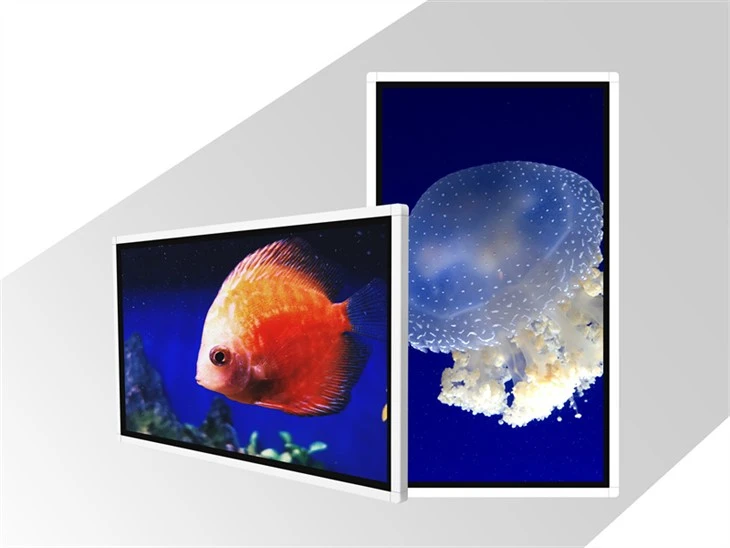
Wall mounted digital signage encompasses a wide range of products, including Wall Mounted Digital Signage (sheet Metal Shell), Menu Board, and Four - Edge Lights Tablet Digital Signage. These signage solutions are commonly used in various settings, such as retail stores, restaurants, offices, and public spaces, to display dynamic content, advertisements, information, and more.
Energy - Saving Technologies in Wall Mounted Digital Signage
One of the primary factors determining the energy efficiency of wall mounted digital signage is the technology used in its display. Most modern digital signage employs LED (Light - Emitting Diode) backlighting technology. LEDs are known for their energy - saving capabilities compared to traditional lighting sources like CCFL (Cold Cathode Fluorescent Lamp). LEDs consume less power while providing better brightness and color accuracy.
Moreover, many wall mounted digital signage systems come with advanced power management features. For example, they can be programmed to adjust the brightness according to the ambient light conditions. In a well - lit environment, the signage can increase its brightness to ensure visibility, while in a dimly lit area, it can reduce the brightness to save energy. Some systems also support sleep modes or auto - off functions when there is no content to display or during off - peak hours, further reducing power consumption.
Usage Patterns and Energy Consumption
The energy consumption of wall mounted digital signage also depends on how it is used. If the signage is set to display high - resolution videos or animations continuously, it will consume more energy compared to displaying static images. However, businesses can optimize their usage patterns to save energy. For instance, they can schedule the display of content during peak business hours only and reduce the complexity of the content during off - peak times.
In addition, the duration of operation is a significant factor. If a wall mounted digital signage is turned on 24/7, it will obviously consume more energy than one that is only operated for a few hours a day. By carefully planning the operation hours based on the target audience and business needs, businesses can effectively manage the energy consumption of their digital signage.
Design and Energy Efficiency
The design of wall mounted digital signage can also impact its energy efficiency. A well - designed signage will have a proper heat dissipation system. Overheating can cause the display to consume more power as the system tries to maintain its performance. By ensuring efficient heat dissipation, the signage can operate more efficiently and consume less energy.
Furthermore, the size of the signage plays a role. Larger displays generally consume more energy than smaller ones. When choosing a wall mounted digital signage, businesses should consider their space requirements and the amount of content they need to display. Selecting an appropriately sized display can help balance the need for visibility and energy consumption.
Comparing Wall Mounted Digital Signage with Traditional Signage
When comparing wall mounted digital signage with traditional signage, such as printed posters or billboards, the energy efficiency advantage becomes more apparent. Traditional signage requires continuous replacement and printing, which involves significant energy and resource consumption in the production process. In contrast, once a wall mounted digital signage is installed, the energy consumption is mainly for operating the display and the associated control systems. Over the long term, digital signage can be a more energy - efficient and cost - effective solution.
Real - World Examples of Energy - Efficient Wall Mounted Digital Signage
Let's take a look at some real - world examples to illustrate the energy efficiency of wall mounted digital signage. A retail store replaced its traditional printed posters with wall mounted digital signage. By using LED - backlit displays with power management features, the store was able to reduce its energy consumption for signage by up to 30%. The ability to schedule content and adjust brightness according to the store's operating hours and ambient light conditions contributed to this significant energy savings.
In a restaurant, the implementation of Menu Board digital signage led to both energy savings and cost savings. The restaurant could update its menu easily without the need for re - printing, and the digital menu board consumed less energy compared to traditional menu boards with illuminated signs.

Calculating the Energy Savings
To calculate the energy savings of wall mounted digital signage, businesses can consider the following factors. First, they need to determine the power consumption of the traditional signage they are replacing. This can be estimated based on the type of lighting used and the operating hours. Then, they can measure the power consumption of the new digital signage. By comparing the two, they can calculate the energy savings in terms of kilowatt - hours (kWh) and the associated cost savings over a specific period.
For example, if a traditional illuminated poster consumes 100 watts per hour and operates for 12 hours a day, it will consume 1.2 kWh per day. If a wall mounted digital signage with the same size and visibility consumes only 60 watts per hour and operates for the same 12 hours a day, it will consume 0.72 kWh per day. This results in a daily energy savings of 0.48 kWh, which can add up to significant cost savings over a year.
The Role of Energy - Star Certification
In some regions, there are energy - efficiency certification programs such as Energy Star. Wall mounted digital signage that meets the Energy Star criteria has been tested and verified to meet strict energy - efficiency standards. Choosing Energy - Star - certified digital signage can give businesses and consumers the confidence that they are purchasing an energy - efficient product. These certified products often come with advanced energy - saving features and technologies, which can further reduce energy consumption and operating costs.
Conclusion
In conclusion, wall mounted digital signage can be highly energy - efficient, especially when considering the latest technologies, usage patterns, and design features. By leveraging LED backlighting, advanced power management, and proper design, businesses can significantly reduce the energy consumption of their digital signage while still enjoying the benefits of dynamic and engaging content display.
Compared to traditional signage, digital signage offers a more sustainable and cost - effective solution in the long run. With the ability to optimize usage patterns and take advantage of energy - saving features, wall mounted digital signage is a smart choice for businesses looking to reduce their environmental impact and operating costs.
If you are interested in learning more about our energy - efficient wall mounted digital signage products, including Wall Mounted Digital Signage (sheet Metal Shell), Menu Board, and Four - Edge Lights Tablet Digital Signage, we invite you to contact us for a detailed consultation. Our team of experts will be happy to assist you in finding the most suitable digital signage solution for your needs and help you achieve energy savings and business success.
References
- "LED Lighting Technology: Energy Efficiency and Environmental Impact." Lighting Research Center, Rensselaer Polytechnic Institute.
- "Energy - Efficient Digital Signage Solutions for Commercial Buildings." U.S. Department of Energy.
- "The Impact of Digital Signage on Energy Consumption in Retail Stores." Journal of Retail and Consumer Services.