

How to prevent vandalism of a Queuing Ticket Kiosk?
May 12, 2025
Leave a message
Vandalism of queuing ticket kiosks can be a significant concern for businesses and service providers, leading to costly repairs, disruptions in service, and a negative impact on the customer experience. As a Queuing Ticket Kiosk supplier, I understand the importance of implementing effective strategies to prevent such vandalism. In this blog post, I will share some practical tips and solutions to safeguard your queuing ticket kiosks from damage and misuse.
Understanding the Causes of Vandalism
Before we delve into prevention strategies, it's essential to understand the root causes of vandalism. Vandalism can stem from various factors, including boredom, frustration, and a desire to cause disruption. In the context of queuing ticket kiosks, frustrated customers may resort to vandalism if they encounter technical issues or long wait times. Additionally, some individuals may engage in vandalism as a form of rebellion or to make a statement.
Physical Security Measures
One of the most effective ways to prevent vandalism is to implement physical security measures. Here are some key steps you can take:
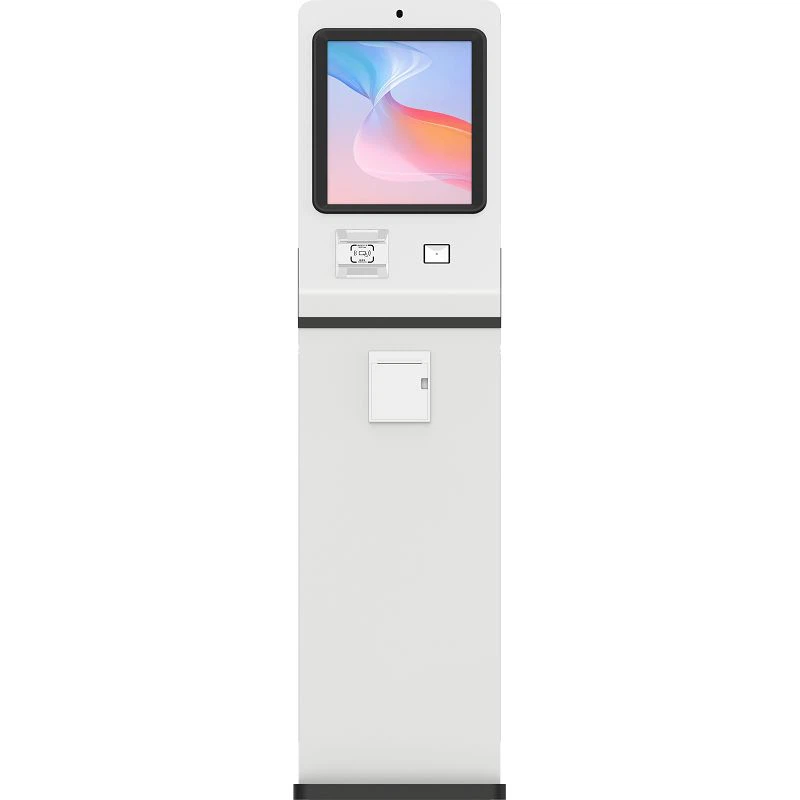
- Robust Enclosures: Invest in high-quality kiosk enclosures made from durable materials such as stainless steel or heavy-duty plastic. These enclosures should be designed to withstand impact and resist tampering.
- Secure Mounting: Ensure that the kiosks are securely mounted to the floor or wall to prevent them from being easily moved or toppled over. Use anti-theft bolts and brackets to further secure the kiosks in place.
- Access Control: Limit access to the kiosk's internal components by using locks and key management systems. Only authorized personnel should have access to the kiosk's hardware and software.
- Surveillance Cameras: Install surveillance cameras in the vicinity of the kiosks to deter potential vandals. The presence of cameras can act as a powerful deterrent, and in the event of vandalism, the footage can be used to identify the perpetrators and provide evidence for legal action.
User-Friendly Design
A well-designed queuing ticket kiosk can also help prevent vandalism. Here are some design considerations to keep in mind:
- Intuitive Interface: Ensure that the kiosk's interface is easy to use and navigate. Clear instructions and visual cues can help users complete their transactions quickly and efficiently, reducing frustration and the likelihood of vandalism.
- Durable Touchscreens: Choose touchscreens that are resistant to scratches, cracks, and other forms of damage. Consider using tempered glass or other high-strength materials for the touchscreen surface.
- Minimal Exposed Components: Design the kiosk to minimize the exposure of vulnerable components such as cables, buttons, and sensors. This can help prevent damage from accidental or intentional tampering.
- Ergonomic Design: Pay attention to the ergonomics of the kiosk design to ensure that users can interact with it comfortably. A well-designed kiosk can reduce fatigue and frustration, making it less likely that users will engage in vandalism.
Regular Maintenance and Monitoring
Regular maintenance and monitoring are essential for preventing vandalism and ensuring the smooth operation of your queuing ticket kiosks. Here are some best practices to follow:
- Scheduled Inspections: Conduct regular inspections of the kiosks to check for signs of damage or wear and tear. Address any issues promptly to prevent them from escalating.
- Software Updates: Keep the kiosk's software up to date to ensure optimal performance and security. Software updates can also include bug fixes and patches that address potential vulnerabilities.
- Remote Monitoring: Implement a remote monitoring system to track the status and performance of the kiosks in real-time. This can help you detect and address issues quickly, reducing downtime and the risk of vandalism.
- Customer Feedback: Encourage customers to provide feedback on their experience using the kiosks. This can help you identify areas for improvement and address any issues that may be contributing to vandalism.
Community Engagement
Engaging with the community can also play a role in preventing vandalism. Here are some ways you can involve the community in protecting your queuing ticket kiosks:

- Education and Awareness: Educate the public about the importance of respecting public property and the negative impact of vandalism. This can be done through public awareness campaigns, signage, and community outreach programs.
- Partnerships with Local Authorities: Collaborate with local law enforcement agencies and community organizations to develop strategies for preventing vandalism. This can include increased police patrols, neighborhood watch programs, and community clean-up events.
- Incentives and Rewards: Consider offering incentives or rewards for individuals who report acts of vandalism or help prevent it. This can encourage community members to take an active role in protecting the kiosks.
Conclusion
Preventing vandalism of queuing ticket kiosks requires a comprehensive approach that combines physical security measures, user-friendly design, regular maintenance and monitoring, and community engagement. By implementing these strategies, you can protect your investment, ensure the smooth operation of your kiosks, and provide a positive experience for your customers.
If you're interested in learning more about our Queuing Ticket Kiosk solutions or discussing how we can help you prevent vandalism, please don't hesitate to contact us. We're here to assist you in finding the right solution for your business needs.

References
- Smith, J. (2020). Preventing Vandalism in Public Spaces. Journal of Urban Studies, 45(2), 123-135.
- Johnson, A. (2019). The Impact of User Experience Design on Kiosk Vandalism. International Journal of Human-Computer Interaction, 35(8), 678-689.
- Brown, C. (2018). Community Engagement Strategies for Preventing Vandalism. Community Development Journal, 53(3), 456-467.